
Beyond the Footprint: The Rise of Regenerative Travel
For years, the gold standard of eco friendly tourism was sustainability. We were encouraged, quite rightly, to ‘tread lightly’ on our travels. We carried our reusable water bottles, opted out of daily towel changes, used less water, to minimize our impact on the world.
While this maintains the status quo and is important, is it enough?
In 2026, we are realizing that "minimizing impact" isno longer enough. We need to actively aim to improve destinations we visit, rather than minimize harm. To heal them and leave them in a better place than when we arrived. But how?
Regenerative Travel
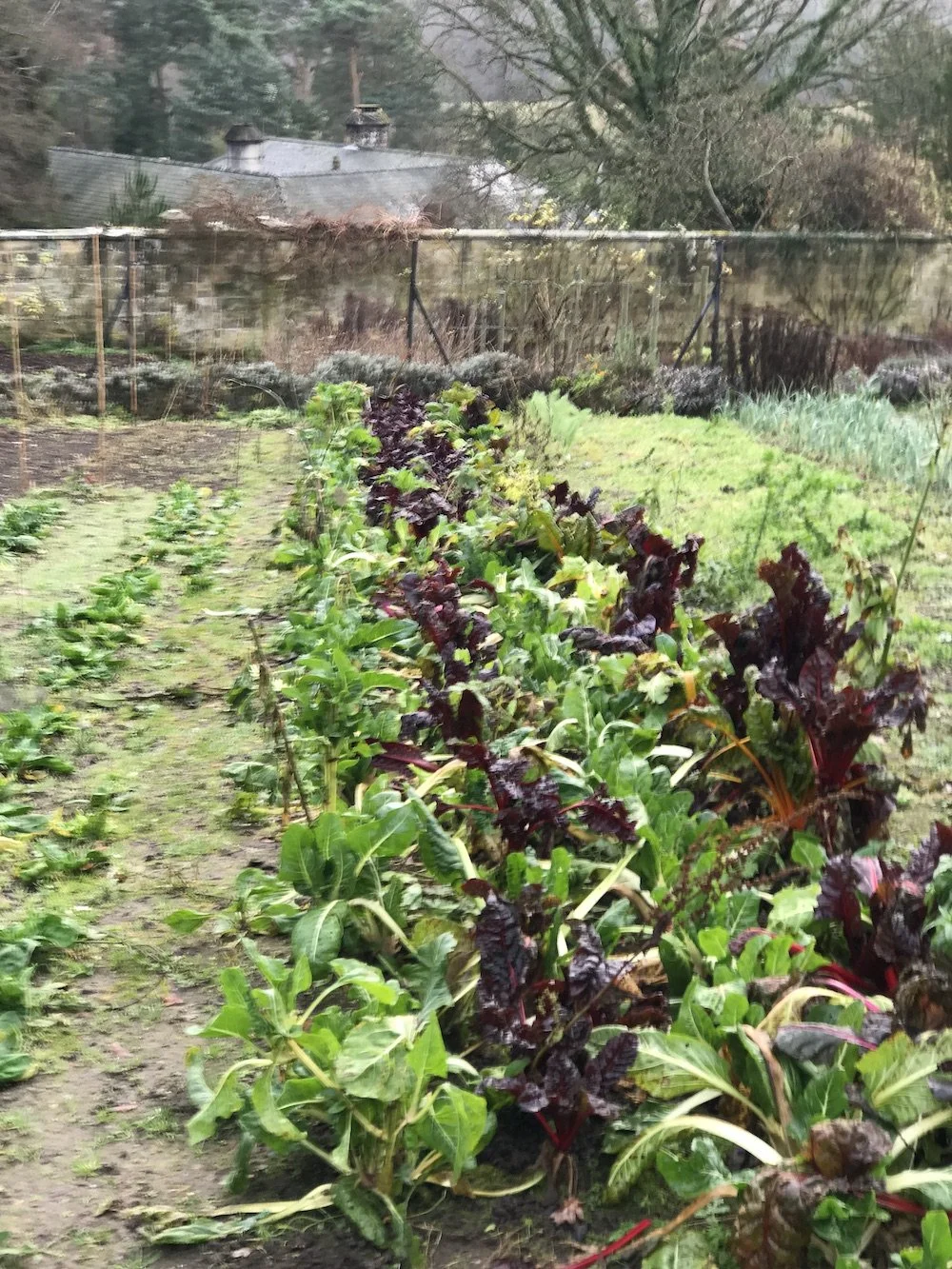
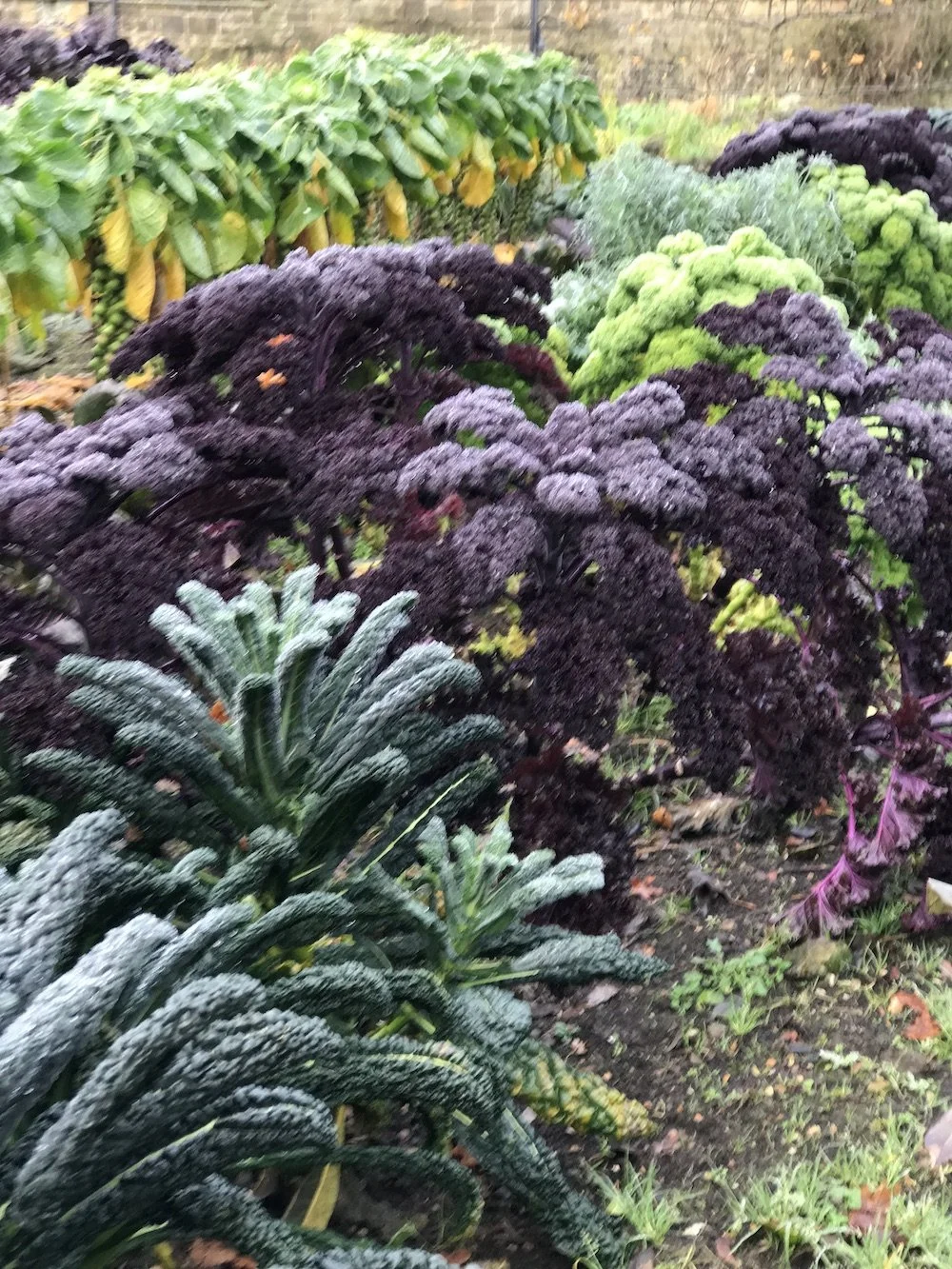
If sustainability is about maintaining the status quo, regeneration is about renewal. Imagine a garden. A sustainable approach ensures the garden doesn't die. A regenerative approach feeds the soil, invites the pollinators, and ensures the garden is more vibrant after you’ve visited, than it was before you arrived.
Regenerative travel asks a simple, powerful question: "How can I leave this place better than I found it?"
This can mean small shifts in your intention and approach to travel, which ultimately can make a big difference.
What does that mean for me and my trip?

A heritage apple orchard in the UK. Photo Credit: The Newt in Somerset
A Regenerative Journey means….
1. Engagement and reciprocity over consumption
Traditional tourism is often extractive—we take photos, take memories, and take up space. Regenerative travel is an act of reciprocity. It means choosing stays that put their profits back into local reforestation, local community or dining at "field-to-fork"/zero mile dining gastropubs like Heckfield Place or The Pig in Barnsley, where every bite supports the local agricultural eco-system. It means supporting local businesses, artisans and the community. Ultimately, of being aware of the livelihood and well being of the whole eco system, including the happiness of the locals.
2. Honoring the "Inside Story", culture and history of a place
You cannot heal a landscape if you do not understand its history. Regeneration requires us to listen to the "culture bearers", the storytellers, the weavers, the artists, the locals and the historians. When we engage with the folklore of the Welsh Mabinogion or the history of the Scottish witch trials or the Wool history of the Cotswolds we aren't just "seeing sights." We are acknowledging the soul of a place, ensuring its stories remain alive, understood and protected for the next generation.
3. Slowing Down
Regenerative travel goes against the "bucket list" ticklist. It favors the longer stay ‘deep dive’ over the 3-day whistle-stop. By staying longer in one region—whether it's the granite cliffs of Cornwall or the sacred valleys of Mid-Wales—we reduce our carbon load and create meaningful, non-transactional relationships with the people who live there. Some that last a lifetime!
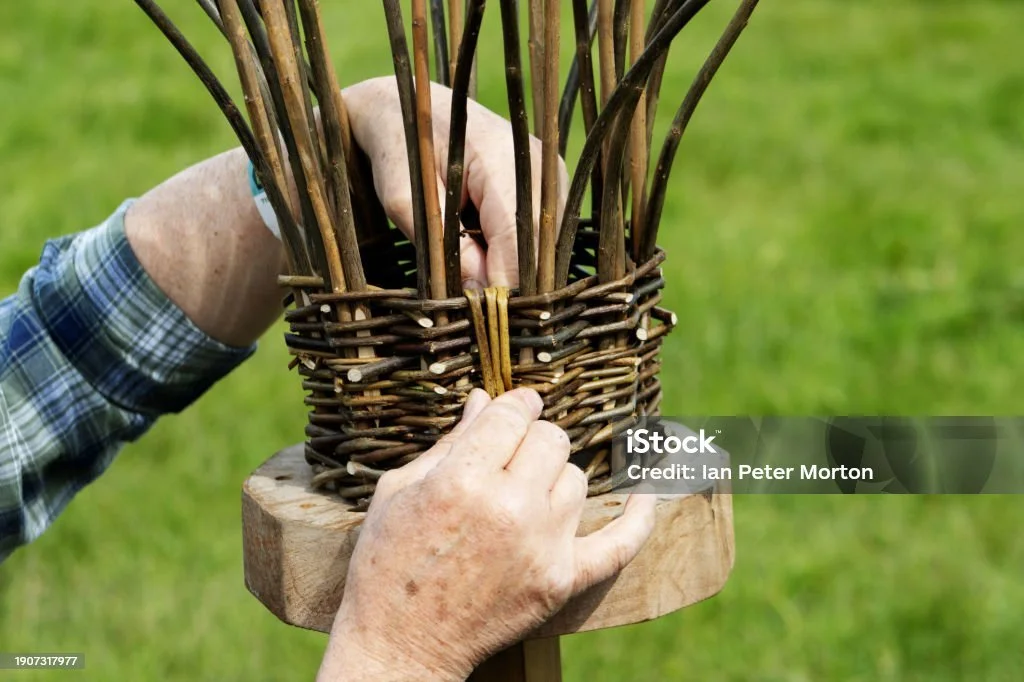
Basket weaving as a traditional craft in the UK. Photo Credit: Ian Peter Morton
How to Travel Regeneratively with Inside Story
At Inside Story Travel, we don't just curate itineraries, experiences and retreats; we understand ecosystems. Our upcoming spring scouting trips to Wales, Cornwall, and Scotland are designed with a regenerative lens:
Supporting Heritage Craft: We partner with and highlight artisans, craftsmen and women to ensure ancient skills remain economically viable.
Carbon Aware Itineraries: We prioritize public travel when possible and encourage localized "hub" stays to minimize our footprint.
Shop Local and Small: We recommend small, local businesses and eateries to support local communities.
Amplifying Voices: Through our Transatlantic Teacast podcast, as well as discussing British culture and life generally, we will increasingly be giving a platform to the locals; hotel owners, restauranteurs, pub land lords, folklorists, historians, businesses and communities who are the true guardians of these lands.
The Journey Ahead
Regenerative travel isn't a destination; it’s a mindset. It’s the realization that, while we may be the travelers, we are also the stewards of the beautiful places we visit.
Are you ready for your regenerative trip? Any Questions?
Contact us at enquiries@insidestorytravel.com
