
Driving in the UK: A Complete Guide for Americans
Some tips to help you navigate Great Britain’s roads with ease.
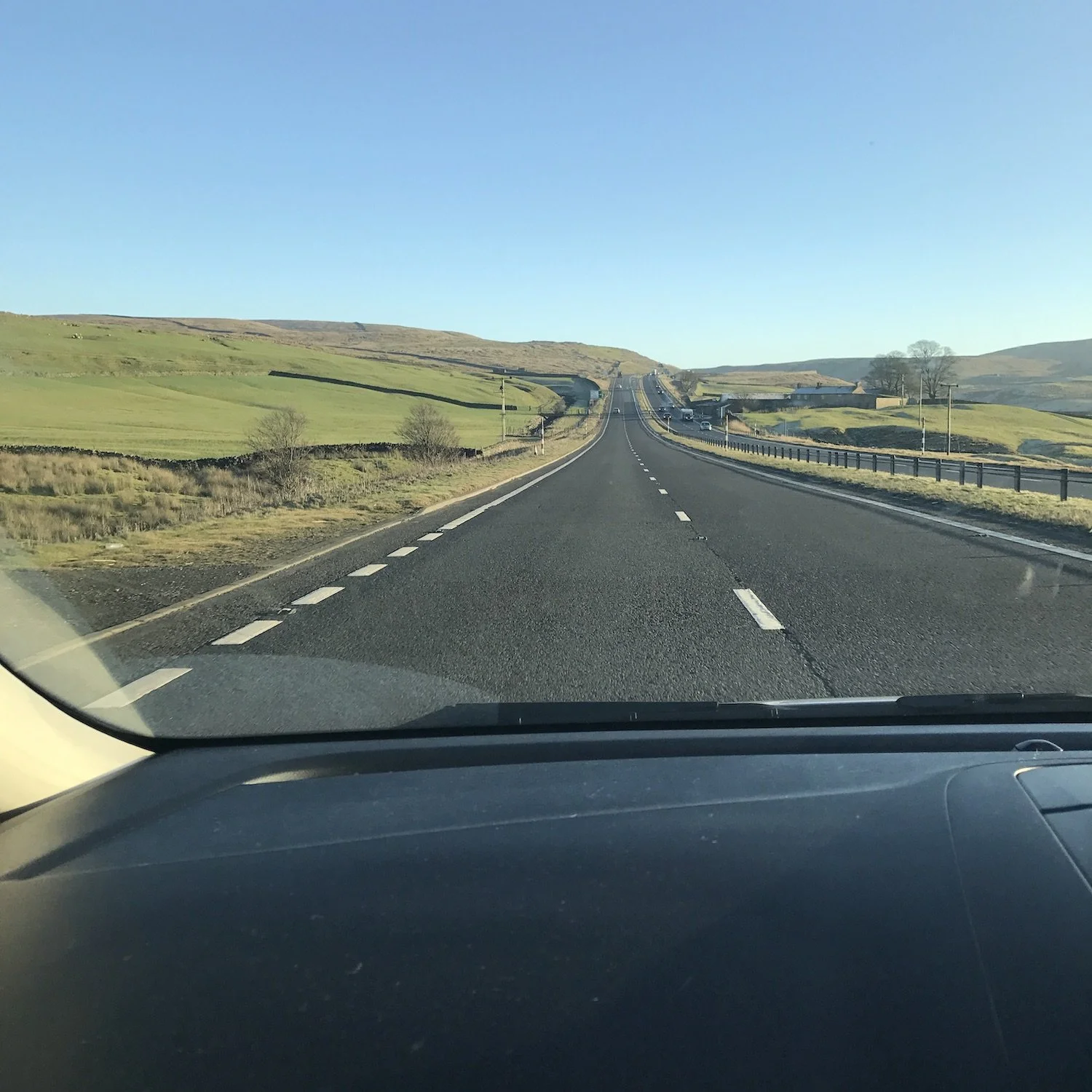
A perfectly sunny day to go on a road trip in Great Britain.
The lure of the UK's countryside—its ancient villages, winding lanes, and hidden gems—is irresistible. But for an American tourist, the thought of "driving on the other side" can feel like a massive hurdle. Don't let it be!
As the owner and Chief Travel Curator at Inside Story Travel, I'm here to tell you: you miss out on so much if you don't drive. It’s not as hard as you think, and with a little preparation, you'll be navigating those country roads like a pro.
Here is your essential guide to getting behind the wheel for your British adventure.
The Basics: Road Rules and Etiquette
UK drivers are generally rule-followers, which can be a welcome change. Get used to a few key differences:
Indicators are Mandatory: Use them. Always. Aggressive driving and honking (or 'tooting') is rare, with London being the notable exception.
Miles, Not Kilometers: While the rest of the UK uses the metric system, road travel is measured in miles per hour (mph) and miles.
The Law is Strict: Using your cell phone, even when stopped at a light, is illegal. Always wear your seat belt.
Parking is Serious Business: Don't park and not pay. Traffic wardens are everywhere, and many car parks use ANPR (Automatic Number Plate Recognition) cameras to track non-payment.
Don’t drink and drive: The police are very strict on drink driving in the UK. The best tip is just not to drink and drive. Luckily, there is always an option to get home such as a local taxi, Uber, the bus or train or tube in London.
Conquering Left-Hand Driving
This is the biggest mental challenge, but it becomes second nature quickly.
Mental Prep: Before you even leave the rental lot, take a moment. Imagine your familiar roads at home, and then visualize yourself driving on the opposite side. Writing "Left" on your hand is a simple, effective trick.
The Car Pedals: All the car pedals are the same: your right foot is still for the gas and brake.
Practice Makes Perfect: On arrival, if possible, stay somewhere very close to the airport. Get a full night's rest, then take a short drive on small, quiet roads around the airport to practice.
London Warning: If you are visiting London first, do not rent a car there.Take a train back to a major airport like Heathrow to pick up your vehicle before traveling onwards.
Hiring Your Car
Your rental choice can make a big difference, especially on narrow country roads.
Automatic is Best: Make sure to reserve an automatic car. Many Brits still drive a manual, and you don't want the added stress of shifting with your non-dominant hand while also driving on the left.
Size Matters: Go for a small SUV. A smaller car is much easier to manage, especially on single-track country roads.
Diesel is Likely: Most hire cars in the UK are diesel. Be aware of the correct pump: green signs mean unleaded (petrol), black signs mean diesel.
Essential Prep: Make sure you are adequately insured. Photograph and video your car at pick up and drop off to document its condition. The main rental companies are Hertz, Avis, Budget, Europcar, and Sixt.
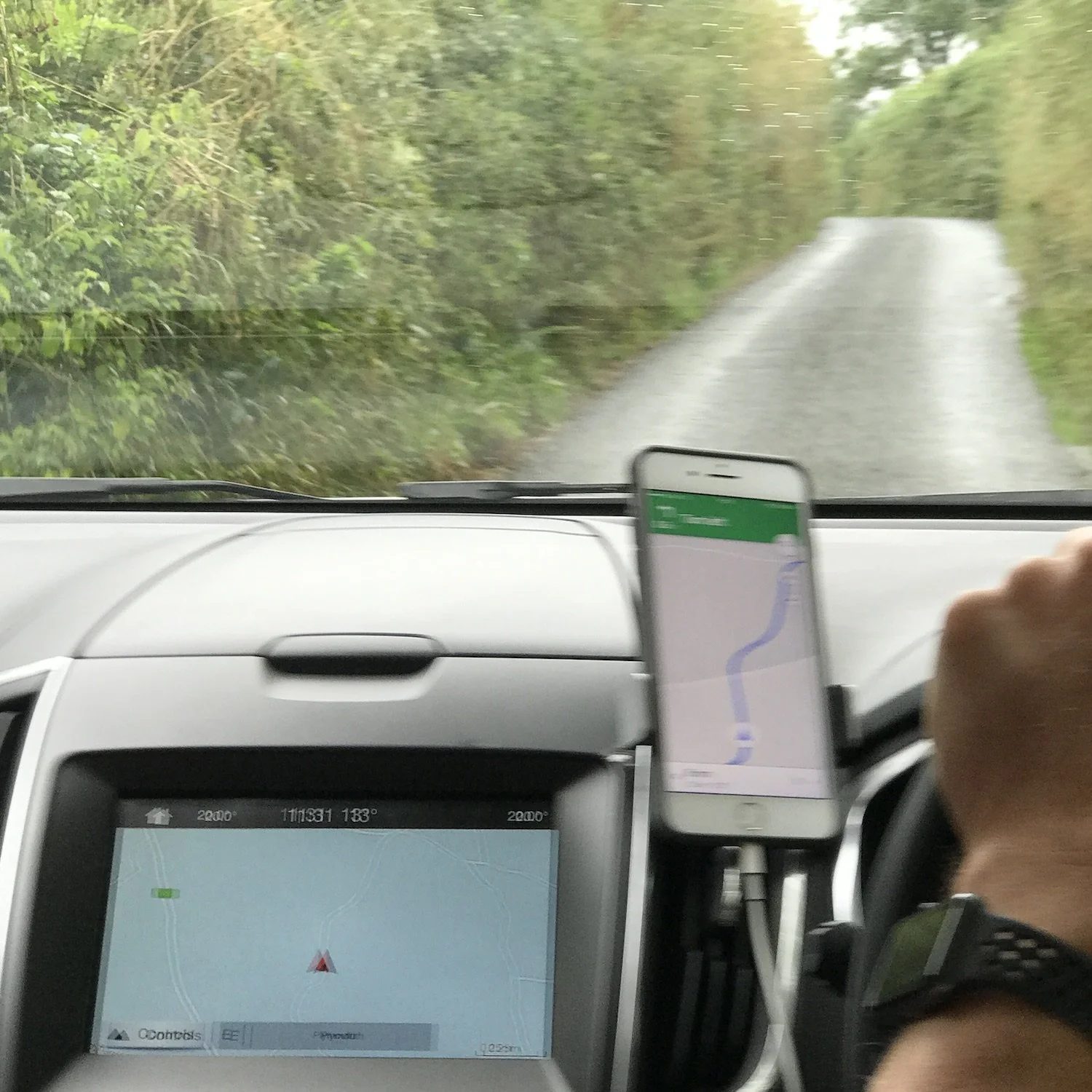
Driving in Great Britain: winding backcountry roads, a few bumps along the way, and Google Maps doing its best.
Navigating Motorways and Service Stations
Motorways are the easiest part of UK driving as they are multi-lane and straightforward.
The Left Lane is the Driving Lane: Lane 1 (the leftmost lane) is for driving. Other lanes are for overtaking. Be mindful of "middle lane hogging," which is an offense.
Ramps/Junctions: UK ramps simply lead directly onto or off the Motorway—they don't typically have merging/leaving traffic simultaneously like in the US.
Service Stations: Dotted along the motorways every 20-40 miles (30 minutes). They provide restrooms, food, and beverage options from brands like Costa Coffee, McDonald's, and Marks and Spencers.
Try the Artisanal Stops: Not all services are created equal! Look for gems like Gloucester M5 and Tebay M6 which are family-owned, feature artisanal food, and are destinations in themselves.
Essential Knowledge: Tolls and City Charges
You can't just drive anywhere without a little planning.
Toll Roads: The M6 Toll is the UK's only major toll motorway.
Dartford Crossing: This is an electronic toll (Dart Charge). Tourists must pay online in advance or by midnight the following day.
London Charges: Driving in central and inner London incurs two separate daily charges:
London Congestion Charge: A daily fee for driving in the center.
ULEZ (Ultra Low Emission Zone): An additional daily charge. You must check if your rental car meets ULEZ standards and pay the daily fee to avoid hefty fines. You can check and pay on the Transport for London website.
Parking in Towns and Cities
Parking regulations are shown on small rectangular signs by the road. The most important markings to know are the colored lines on the road:
Single Yellow Lines: Waiting/parking restrictions apply during certain hours (check the nearby sign).
Double Yellow Lines: No waiting/no parking at any time.
UK Parking Apps: It's a good idea to register for two apps before you travel, as sometimes they won't work with a US telephone number. Recommended apps: RingGo, PayByPhone, and ParkMobile(best for pay-and-display machines).
Mastering the UK Roundabout
Roundabouts are plentiful in the UK. Mastering them is key to a smooth journey.
1st Exit (Left) off the roundabout: Approach in left lane, signal left on entry and signal immediately to exit.
2nd Exit (Straight): Approach in the left lane (usually), no signal on entry and signal left after passing Exit 1.
3rd Exit+ (Right): Approach in the right lane, signal right on entry and signal left after passing the Exit just before yours.
Key Rules:
Yield (Give Way) to the Right: Any car already in the circle has the right of way. You look to your right as you approach.
Clockwise Only: You always turn left into a roundabout and move in a clockwise direction.
The Exit Signal: This is what trips up most Americans. You must signal Left, after you have passed the exit immediately before the one you want.
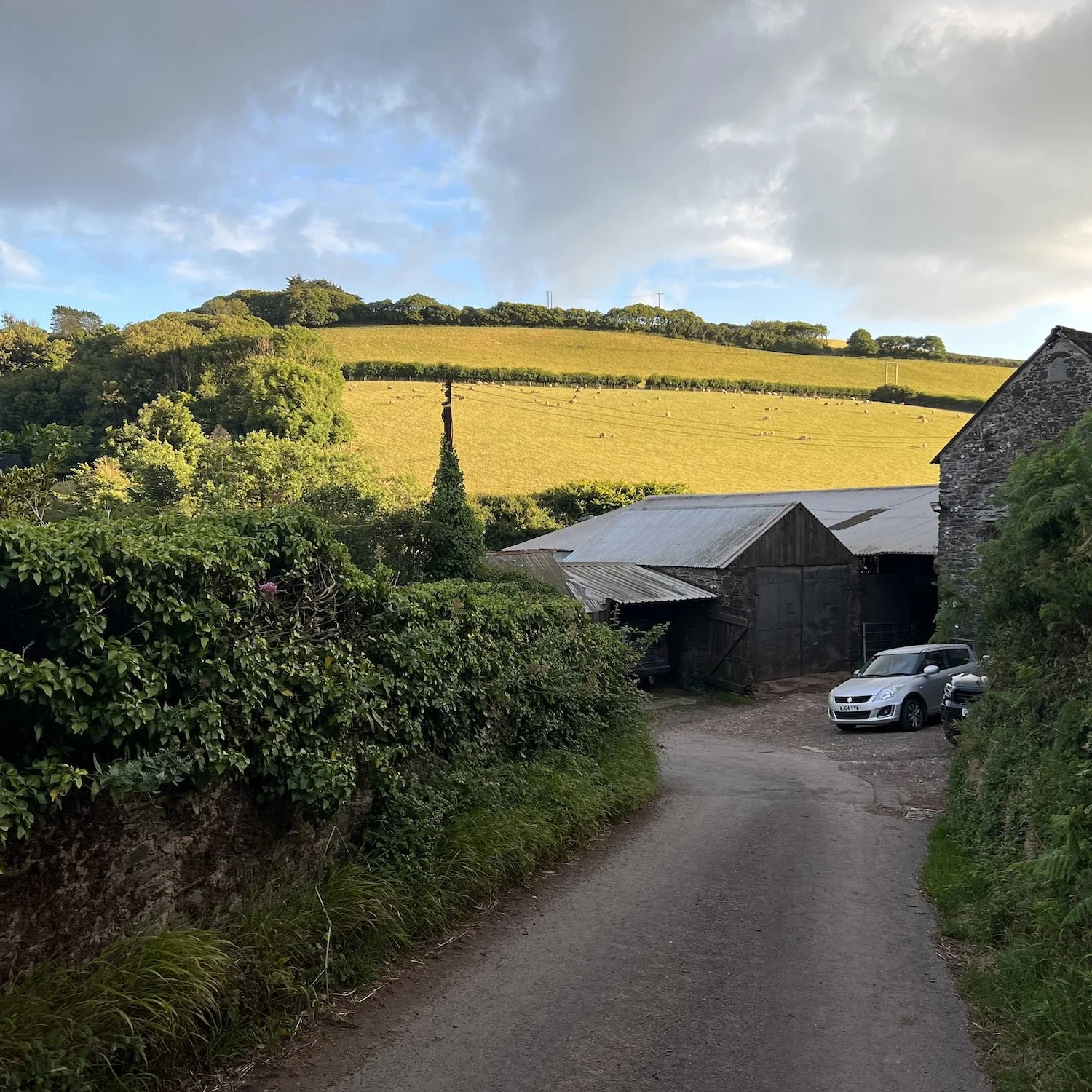
A quiet country lane in Great Britain, winding past farms, hedges, and sunlit hills.
Driving on Rural and Country Roads
The smaller, non-categorized C roads often lead to the best places, but require the most caution.
Speed Limits: The limit can be up to 60mph, but this is a maximum speed guideline, not a target. It is highly advisable to drive below this limit, especially on winding, narrow lanes. Locals will drive at this speed, so just let them pass.
Passing Places: On single-track roads, look for "Passing Places"—small paved cutouts. If two cars meet, the one closest to a pulling-in place should either reverse to pull in or pull in ahead to let the other car pass. Courtesy is paramount.
Wildlife: Be mindful of sheep, cows, pheasants, and deer. Slow down for horses and pass them at a virtual walking pace, as wide as you can.
A tip is to turn your mirrors down to face the road on these small lanes. This way you can assess the width of the car versus the width of the road and hedgerow. Using the main mirror to see what is coming up behind you.
Finally, remember a few key things:
The Highway Code: This is the official "Driving in the UK handbook." Give it a read before you leave; some road signs are very different.
No "Right on Red": Red means STOP. You cannot turn until the light is green.
If you are well prepared, you will be absolutely fine! Adventures await you on the open road. Have fun and if you need any help planning your road trip, contact us at Inside Story Travel.
